Gooden Blog
Blog
Beyond the Classroom: The Gooden Experience
October 16, 2026
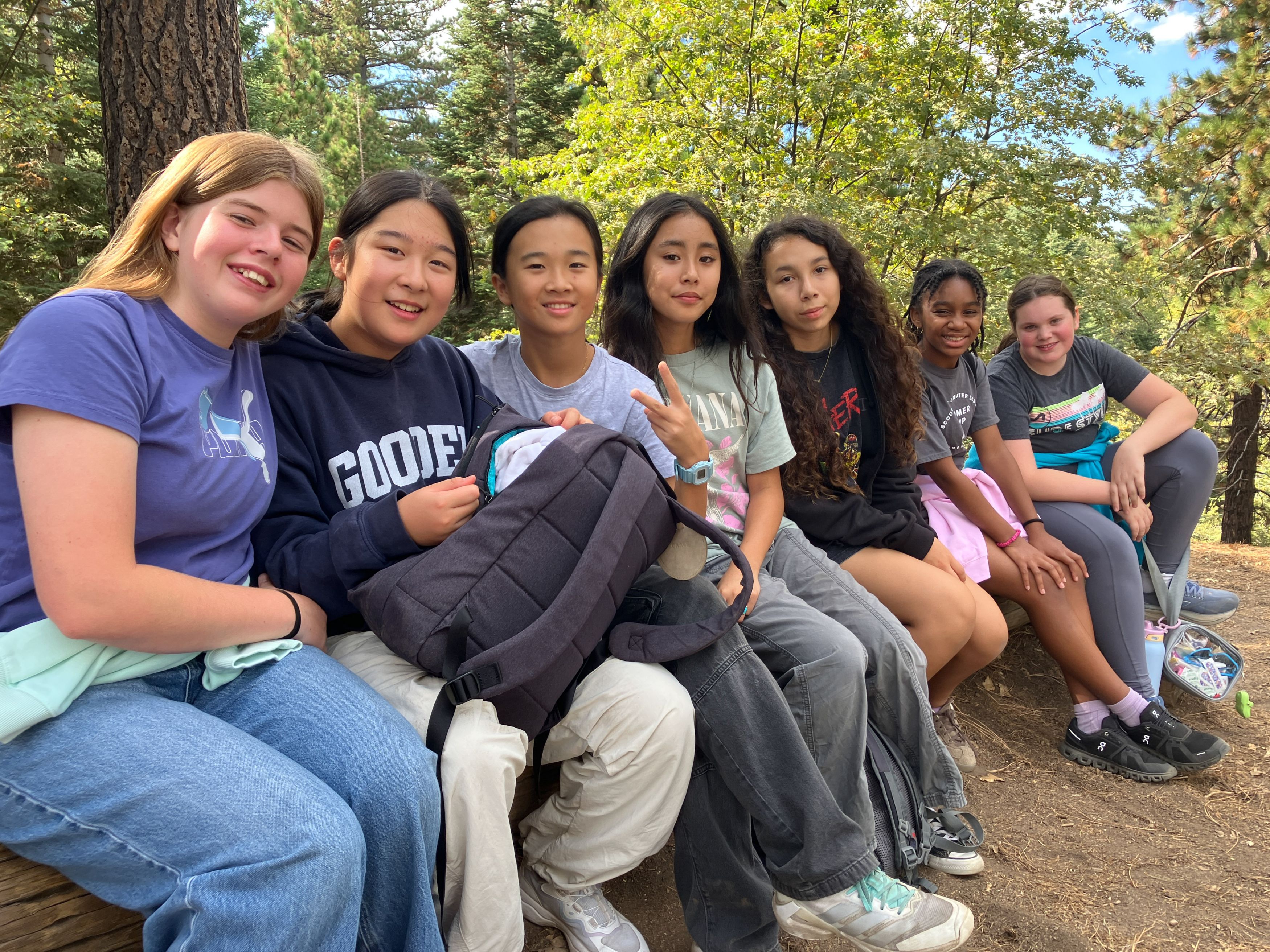
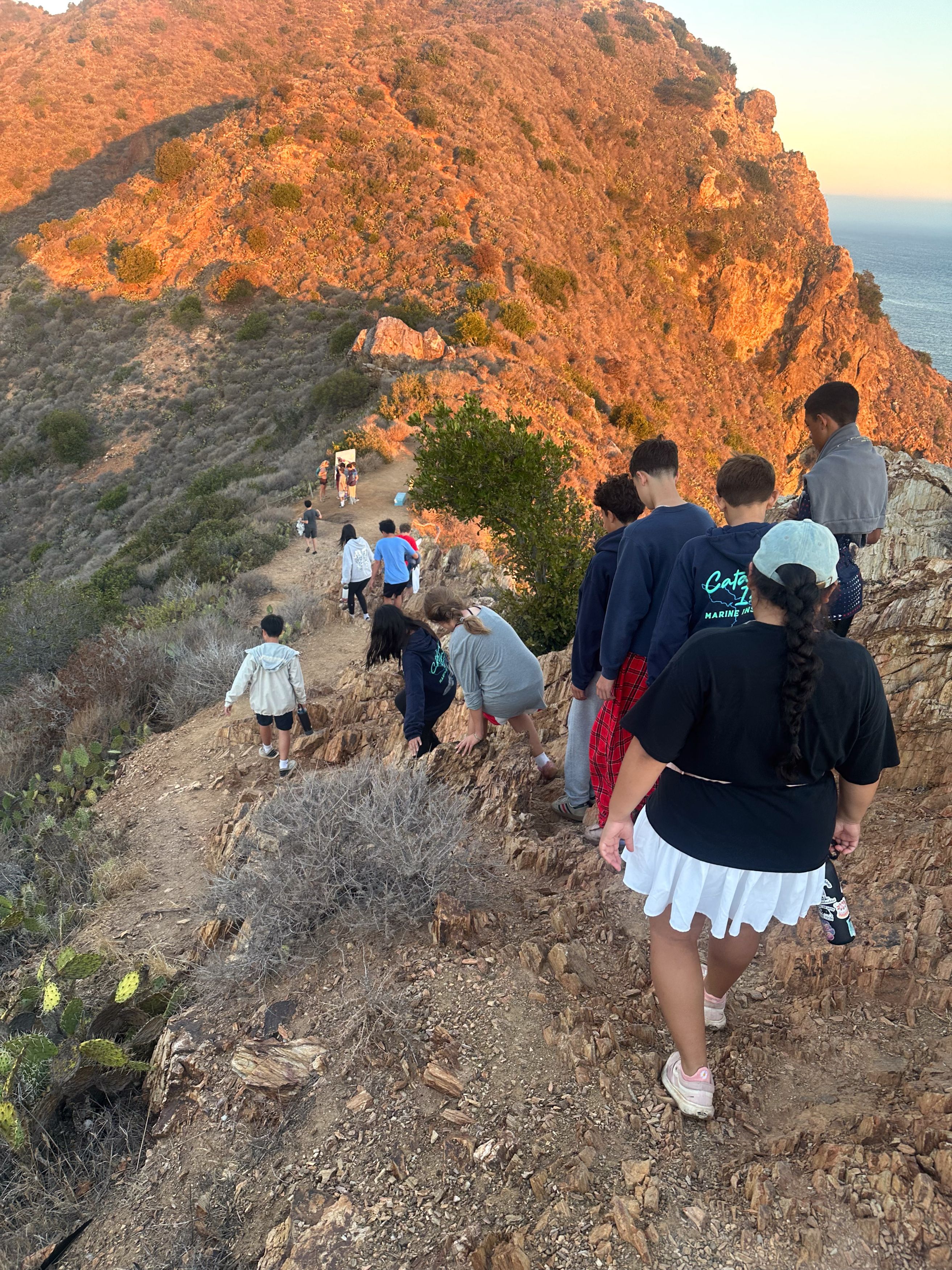
This past week, our middle school students traded their classrooms for the great outdoors as they headed off on their annual overnight science adventures. They had wonderful opportunities to explore the natural world and learn through hands-on activities, but I suspect some of the most important lessons had little to do with science.
They learned to navigate new experiences, solve problems, strengthen friendships, and become a little more independent. Sometimes, the greatest growth happens when we step outside our comfort zones.
Watching our students return from these trips got me thinking about what makes a Gooden education so special. Certainly, strong academics and the many opportunities we provide are important, but I believe it’s how all of these experiences come together that makes the greatest difference. We challenge our students academically while also encouraging them to discover their interests and talents.
One of the things I treasure most about our small TK–8 community is the opportunity to watch children grow over time. Our teachers know their students not just as learners, but as individuals. Our youngest students look up to the older ones, and those older students gradually become the leaders and role models they once admired. There is something incredibly rewarding about watching a child who arrived as a shy kindergartner leave us as a confident, capable eighth grader.
Of course, none of this happens without an intentional focus on character. Our guiding principles — Respect for Self, Respect for Others, and Respect for the World — are woven into daily life at Gooden. We want our students to be not only strong scholars but also kind friends, thoughtful leaders, and compassionate members of their communities.
Sometimes, the best examples of these values come in the smallest, most unexpected moments.
Just this week, I overheard a group of middle school students working on a math escape room challenge. The teams were competing against one another, and one student asked to borrow a calculator from someone on the opposing team. A teammate quickly objected, “Don’t give it to him! It’s a competition!” Without missing a beat, the student holding the calculator responded, “It’s called kindness.”
I couldn’t help but smile. In that simple exchange, I was reminded of what we are really trying to teach our students. Yes, we want them to work hard, challenge themselves, and enjoy a little healthy competition. But we also want them to understand that kindness and compassion should never take a back seat to winning.
This year’s theme, “Be the Light,” reminds us that even small acts of kindness, encouragement, and service can make a meaningful difference in the lives of others. And sometimes, being the light is as simple as sharing a calculator with someone on the opposing team.
When I think about our middle school students returning from their science adventures, I think about all the ways they are growing. Yes, they are learning science, but they are also learning to be independent, persevere, support one another, and see the world with curiosity and wonder.
That is what a Gooden education is all about. We are preparing students not just for the next grade level or the next school, but for life.
Great Minds, Gooden Hearts. It’s more than a saying. It’s what we strive to nurture in every child, every day.
Be the Light: Celebrating Episcopal Schools Week
October 02, 2026
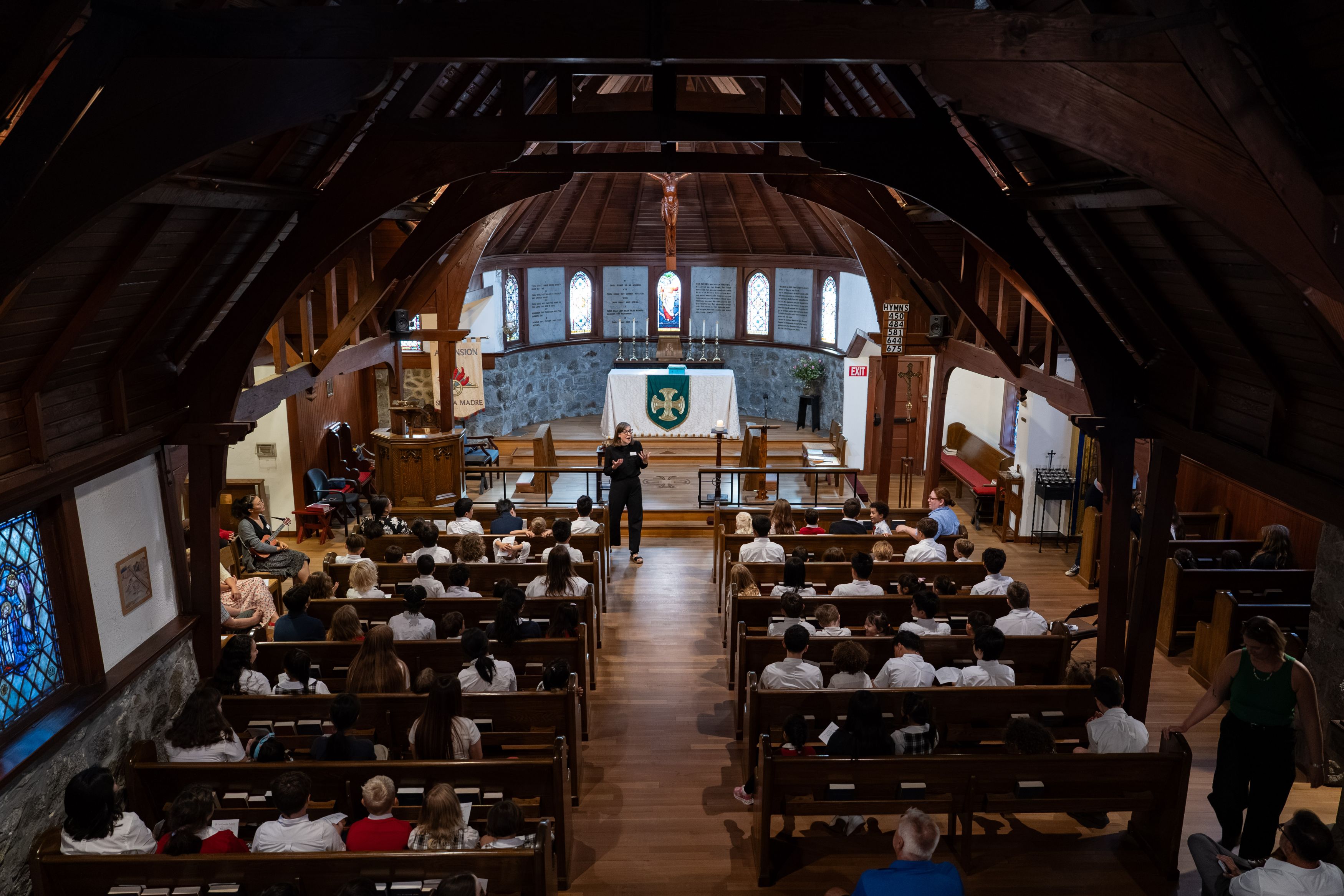
Next week, October 5–9, The Gooden School will join Episcopal schools across the country in celebrating Episcopal Schools Week. It is a wonderful opportunity to celebrate what it means to be an Episcopal school and to reflect on the values that shape our community every day.
The Gooden School is proudly rooted in the Episcopal tradition, but being an Episcopal school does not mean that everyone in our community is Episcopalian, or even Christian. In fact, one of the things I value most about Episcopal education is its commitment to welcoming people of all faith traditions, as well as those who do not identify with a particular faith.
At Gooden, we see this spirit of welcome in our chapel services, in our classrooms, and in the way we encourage students to ask questions, listen to one another, and learn about traditions and perspectives different from their own. Our goal is not to tell students what they must believe, but to help them become thoughtful, compassionate people who recognize the dignity and worth of others.
Our Episcopal identity also calls us to service. Service is not something we do only on a designated day or during a particular project. It is part of who we are. At Gooden, that calling is beautifully reflected in our Three R’s: Respect for Self, Respect for Others, and Respect for the World.
This year, that calling has an additional meaning through our school theme, “Be the Light.”
Being the light does not require a grand gesture. Our students can be the light when they notice someone who needs a friend, stand up for what is right, help without being asked, care for our campus and community, include someone who feels left out, or simply offer kindness when it is needed. Light is found in those everyday choices.
That is one of the great gifts of an Episcopal education. We want our students to grow academically, of course, but we are equally committed to helping them grow into people who understand that their gifts can and should be used in service to others.
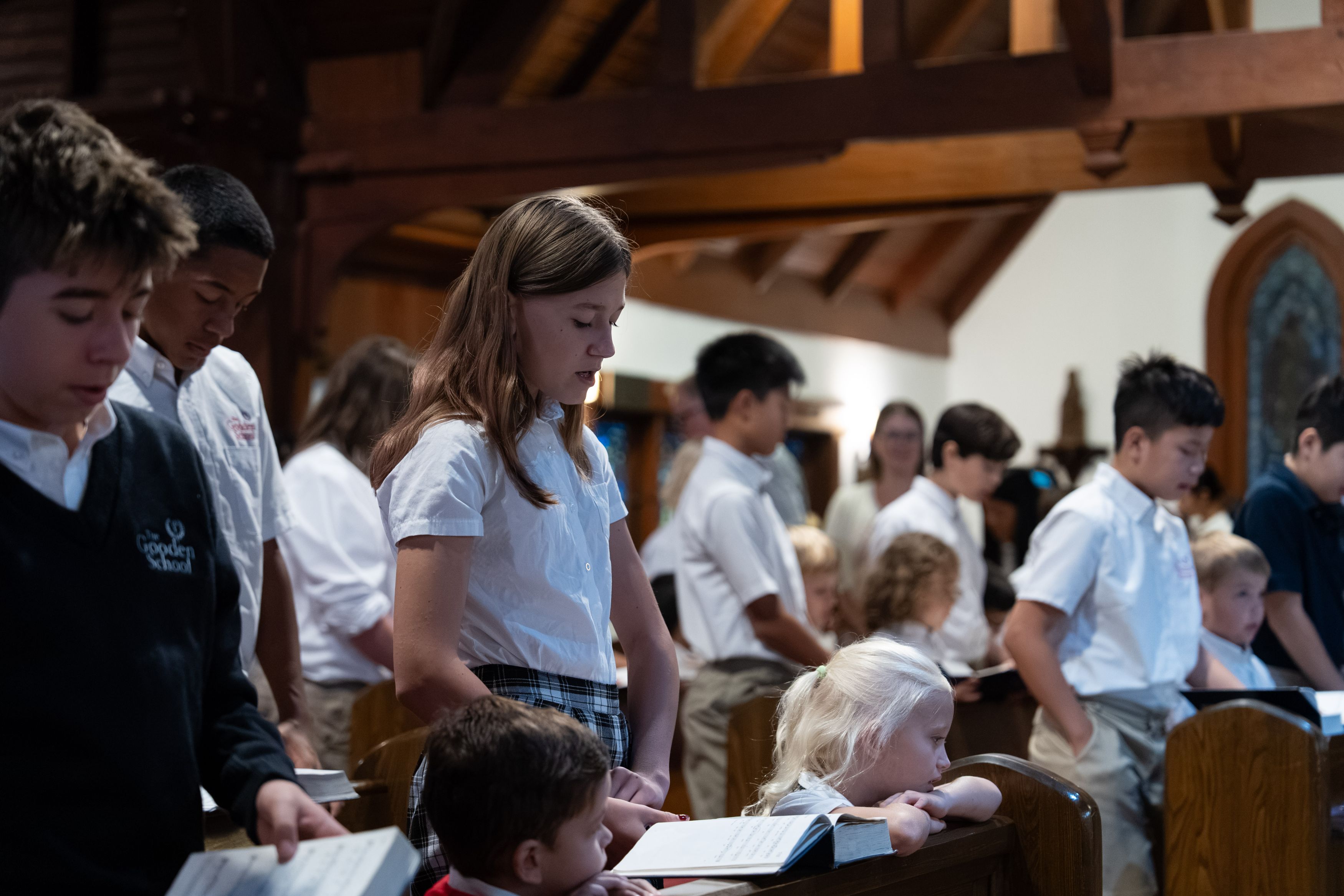
As part of our celebration next week, we will once again create a prayer chain on the fence, a tradition we began last year. Throughout the week, students, families, faculty, and friends are invited to stop by and tie a ribbon to the fence representing a prayer or intention. Ribbons may be added for blessings and gratitude; family, friends, and pets; peace and unity; our community; or health and healing. Whether you think of your ribbon as a prayer, a hope, or simply something you are holding in your heart, you are welcome to participate.
As the ribbons gather throughout the week, they will become a beautiful visual reminder of the many people, hopes, and intentions that make up our Gooden community. Each ribbon is small on its own, but together they create something meaningful and full of light.
As we celebrate Episcopal Schools Week, I hope each of us will consider a simple question: How can I be the light for someone else?
If our students leave Gooden understanding that their knowledge, talents, compassion, and voices can make the world a little brighter, then we have accomplished something truly meaningful.
That is what it means to Be the Light.
And that is the heart of Great Minds, Gooden Hearts.
Celebrating Hispanic Heritage Month at Gooden
September 25, 2026
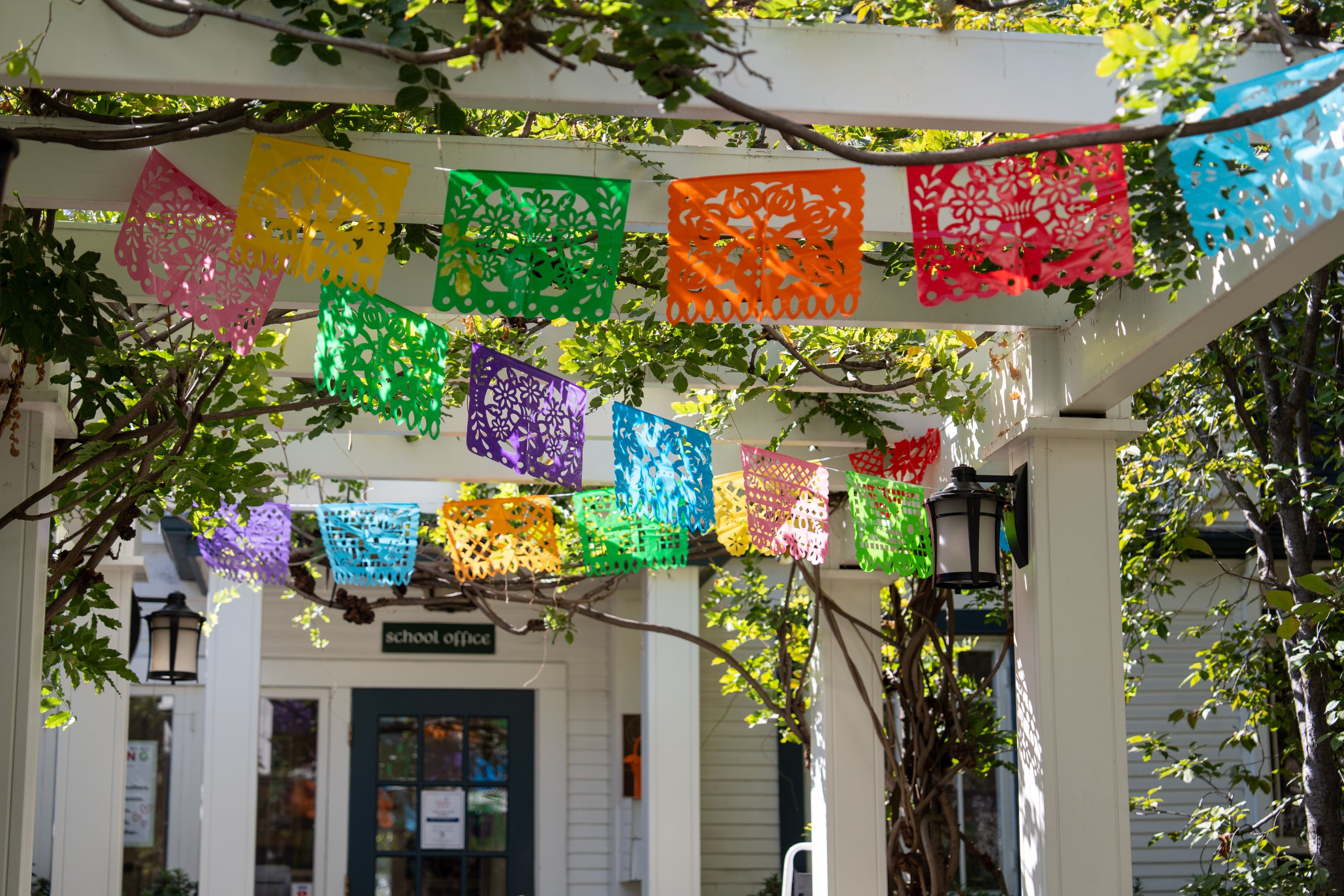
Each year from September 15 through October 15, Hispanic Heritage Month gives us an opportunity to celebrate the rich cultures, histories, traditions, and contributions of Hispanic and Latino communities. At Gooden, we are excited to bring this celebration to life across our campus through learning, music, food, art, and community.
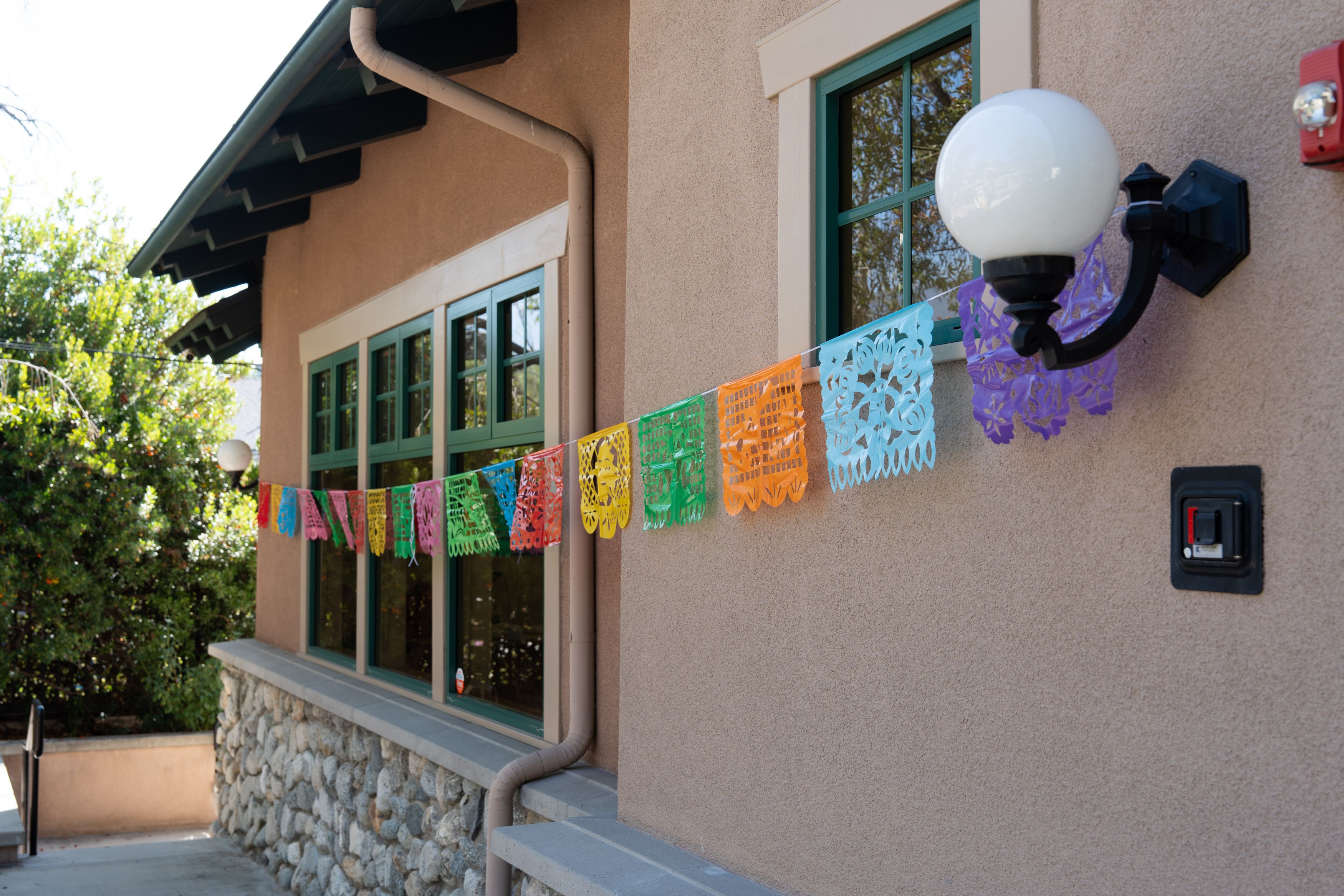
Thanks to the enthusiasm and creativity of our Cultural Connections Parent Group, our campus is already beginning to reflect the spirit of the month. Colorful papel picado, beautiful marigolds, and other decorations are transforming familiar spaces into a vibrant celebration of Hispanic culture. If you haven’t had a chance to walk through campus lately, we invite you to stop by and take a look. The arbor is especially beautiful!
Throughout the month, our students will have opportunities to learn more about Hispanic heritage both inside and outside the classroom. Spanish classes will highlight influential Hispanic individuals who have made important contributions to history, science, the arts, culture, and beyond. Students will also experience classroom visits, special activities, and opportunities to see their learning displayed around campus.
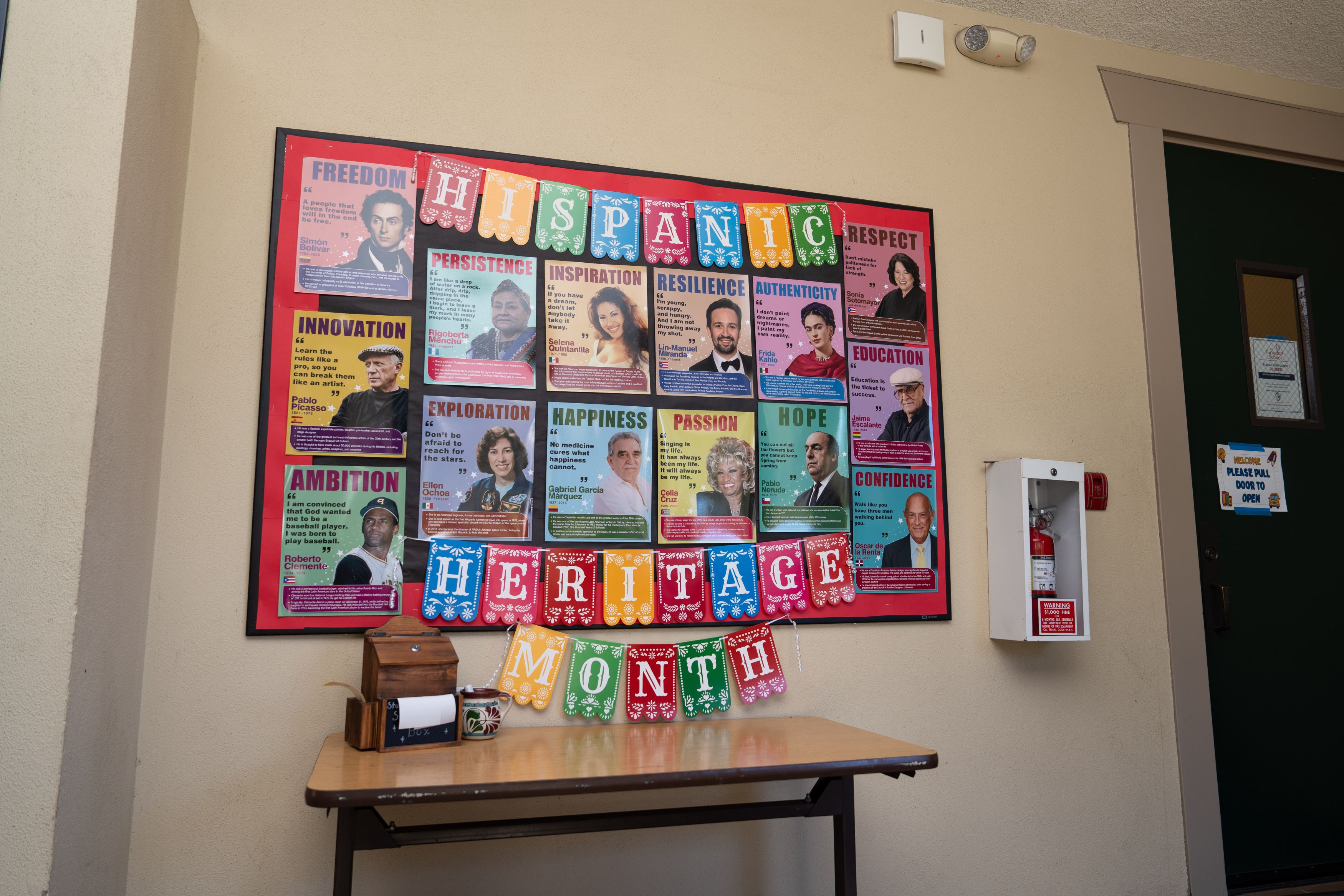
One of the highlights of our celebration will be a school-wide assembly featuring folklórico dance, where students will learn about the music, clothing, dances, and traditions represented in the performance. And because food is such a wonderful way to experience culture and bring people together, we'll continue the celebration with traditional treats for our students.
As Hispanic Heritage Month comes to a close, our celebration will transition toward Día de los Muertos. We look forward to creating a community ofrenda and sharing the meaning and traditions behind this beautiful observance with our students and families.
Celebrations like these are about more than decorating our campus or enjoying special events. They give our students an opportunity to learn about one another, appreciate the many cultures that enrich our community, and deepen their respect for the world around them.
We hope you'll stop by campus this month, enjoy the decorations, and celebrate with us!
Be the Light: A Wonderful Start to the 2026–27 School Year
September 11, 2026
What a wonderful start we have had to the 2026–27 school year! It has been such a joy to see our campus full again, with students reconnecting with friends, teachers welcoming their classes, and new families quickly becoming part of the Gooden community. There is an energy at the beginning of a school year that is hard to describe, and this year feels especially exciting.

Our schoolwide theme this year is “Be the Light.” Throughout the year, we will encourage our students to think about the many ways they can be a light for others through their words, their choices, their actions, and the way they treat the people around them. Sometimes being the light means doing something big, but more often, it is found in the small, everyday moments: including someone, offering encouragement, standing up for what is right, helping without being asked, or simply showing kindness.
This year, our theme takes on special meaning as we mark the 25th anniversary of September 11. As we remember the lives lost that day, we also remember the extraordinary courage, compassion, and selflessness shown by first responders and by ordinary people who stepped forward to help others. Fred Rogers famously encouraged children, in frightening times, to “look for the helpers.” Twenty-five years later, that message still resonates. At Gooden, we want our students to recognize the helpers, but we also want to teach them to become the helpers. To “Be the Light” means noticing when someone needs you, choosing kindness and courage, serving others, and finding ways, both big and small, to make the world around you a little brighter.
That message connects beautifully with Gooden’s long-standing commitment to Respect for Self, Respect for Others, and Respect for the World. Throughout the year, we will continue our focus on monthly character traits that help our students explore what those values look like in their everyday lives.
We begin September with Respect & the Golden Rule, followed by Authenticity in October, Service in November, Perseverance in January, Kindness in February, Courage in March, Integrity in April, and Community in May. These traits will be woven into chapel, classroom conversations, and our life together as a school. Our hope is that students will not simply understand these values, but recognize the many opportunities they have each day to live them out and, in doing so, “Be the Light” for others.

And, of course, one of the brightest parts of Gooden is our community. We are looking forward to seeing everyone tonight at our Welcome Back BBQ! It is always a fun way to kick off the year, reconnect with old friends, welcome new ones, and simply enjoy being together.
Thank you to our families, faculty, staff, and students for helping make these first weeks so positive. We have a wonderful year ahead of us, and we cannot wait to see all the ways our Gooden Knights will Be the Light.